How to evaluate a polyester waste lot before buying
Polyester waste is not a single uniform material category. Lots can differ by source, polymer form, colour, cleanliness, moisture and how they behave in the buyer’s process. A clear pre-purchase check helps reduce avoidable surprises.
1. Confirm the material identity
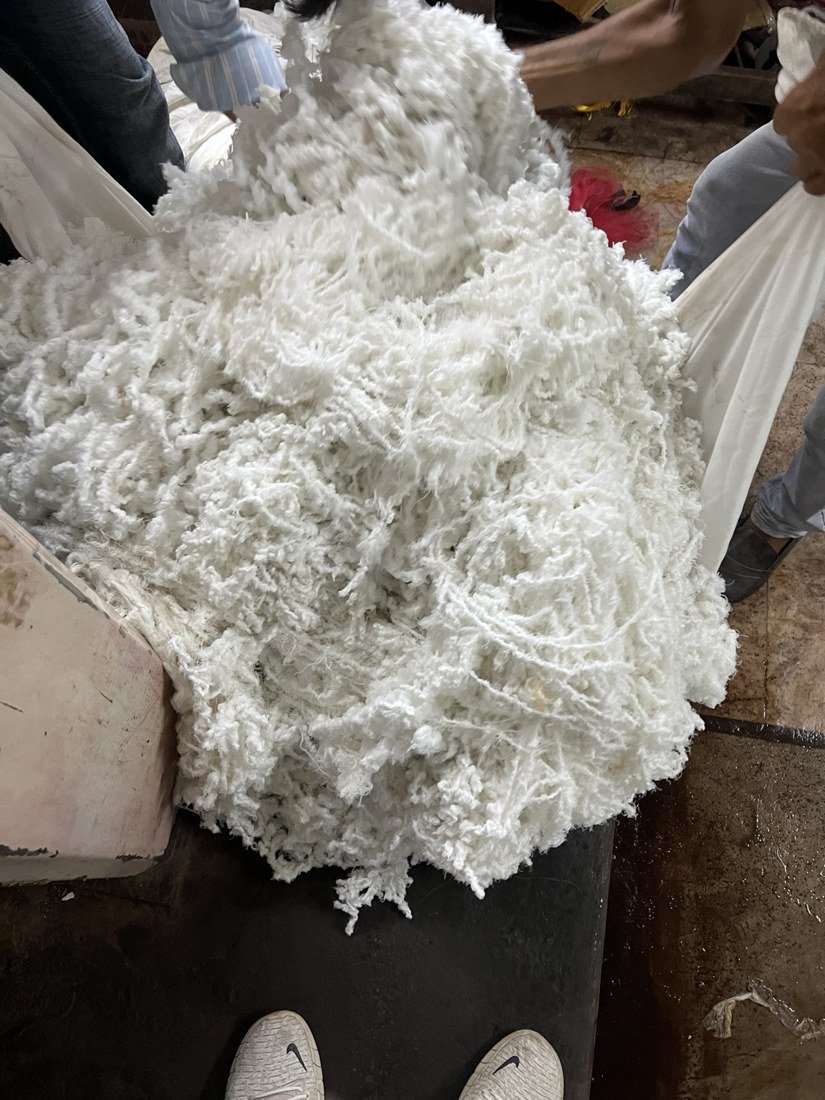
Start with the specific category: POY waste, drawn/DTY waste, mono waste, sorted Datti/Patti, Bukka, fibre or another stream. Industry shorthand can vary, so confirm what the name means for the actual lot.
2. Define colour and shade expectations
If colour matters, specify white/superwhite, mixed, coloured or another accepted shade range. Request current photos in good light and confirm whether shade variation is acceptable.
3. Check contamination
Discuss acceptable levels of dust, paper, plastic, oil, other fibres or unrelated textile material. Put strict tolerances in writing and agree how the lot will be assessed.
4. Ask about moisture and packing
Clarify whether quantity is wet or dry, how moisture is assessed, and whether drying or handling loss is expected. Confirm bale, bag or loose-loading format.
5. Match the lot to your process
Share the intended application and required processing parameters. Where practical, review a representative sample before confirming a large order.
6. Confirm commercial terms
Align on quantity, rate basis, freight, loading, delivery point, payment terms and dispatch timing.
Every lot is different. Use your own quality procedure and confirm technical suitability before committing.